
Balancing Freedom and Limits: Nurturing Responsible Independence in Children
Parents today are bombarded with advice, ideas, suggestions, and rules on how to be the best parents they can be for their children. Emerging research continuously tells us more about human development and how young minds grow, which is a wonderful thing. Still, it can be hard to weed through all the information and find what truly serves our children best.
Giving children choices and respecting them as autonomous human beings is vital. Their lives are theirs to live, and their dreams are theirs to discover. So, we honor their growing independence and understand that their ideas may sometimes conflict with our own.
But does honoring independence mean letting children do whatever they want, whenever they want?
At Wading River Montessori School, we believe the answer is no. Offering choices within safe limits is one thing; neglecting to set boundaries is something altogether different.
What Do Children Really Need?
To strengthen true independence, children need to make their own decisions within a framework that feels safe. As they learn and take risks, they need clear boundaries set by loving adults.
When kids test rules, they are seeking a sense of security—checking to see how strong our limits are and whether or not we mean what we say. Setting gentle, consistent boundaries lets our children know that we are here for them, keeping them physically and emotionally safe.
The Montessori Balance: Young children need fewer choices and clearer limits. As they mature, we gradually increase choices and decrease limits. This gives them years of safe practice before they are expected to navigate decision-making as adults.
What Freedom Within Limits Looks Like in Our Classrooms
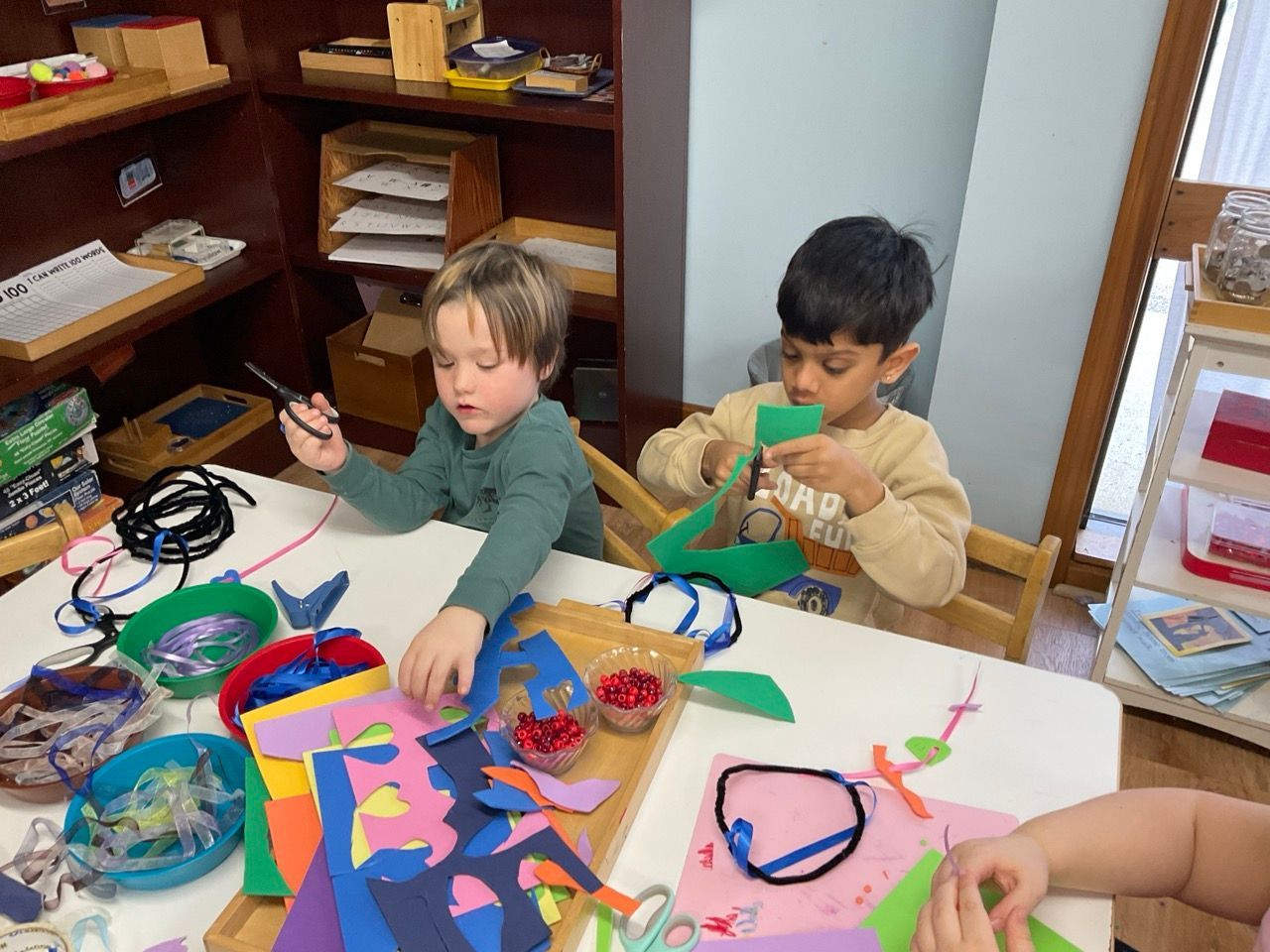
In our prepared environments at Wading River Montessori School, choices and boundaries work hand-in-hand:
- Thoughtfully Arranged Furniture: Classrooms are designed so children can move freely, but shelves are intentionally placed to prevent running in indoor learning spaces.
- Gated Access to Materials: We rotate shelf materials intentionally. Children have complete freedom to choose from the work displayed, while items not yet introduced are stored tucked away.
- Defined Social Spaces: Our snack table may intentionally have only two or three chairs. Children have the freedom to eat and socialize when they feel hungry, but the limited seating protects the calm, peaceful atmosphere of the classroom.
- Self-Directed Work Plans: Older elementary students use work plans to determine the pace and sequence of their day. They enjoy freedom in how they structure their time, but are held accountable for completing their required math, language, and cultural work.
- Autonomous Restroom Routine: Children do not need to raise their hand to ask permission for basic bodily needs. Systems like classroom restrooms or hall passes allow them to manage their personal needs independently and respectfully.
Bringing Freedom Within Limits Into Your Home
Shifting to a Montessori mindset at home takes practice, but it creates a calm, cooperative household:
- Offer Limited, Concrete Choices: Instead of opening an entire closet, offer toddlers a choice between two weather-appropriate shirts. For older kids, let them choose the order of their tasks (e.g., "Would you like to take a bath first, or pack your lunchbox for tomorrow first?").
- Hold Boundaries with Empathy: Validate their feelings while holding the boundary firm. For example: "I see that you are frustrated, and it is okay to feel angry. It is not okay to scream at home. You may stomp your feet or take deep breaths instead."
- Involve Older Children in Problem-Solving: If house limits need adjusting—like screen time or bedtime routines—sit down for an open conversation. Express your safety concerns, listen to their ideas, and collaborate on a solution you both agree on.
In a world of permissive trends and misunderstandings about what authentic Montessori means, it can be easy to feel pressured to give in to a child's every request. The good news is, you don't have to. Children thrive when they have adults who love them, respect their autonomy, and care enough to hold consistent limits.
We would love to
invite you in for a tour to see how we balance freedom within limits here at Wading River Montessori School.